
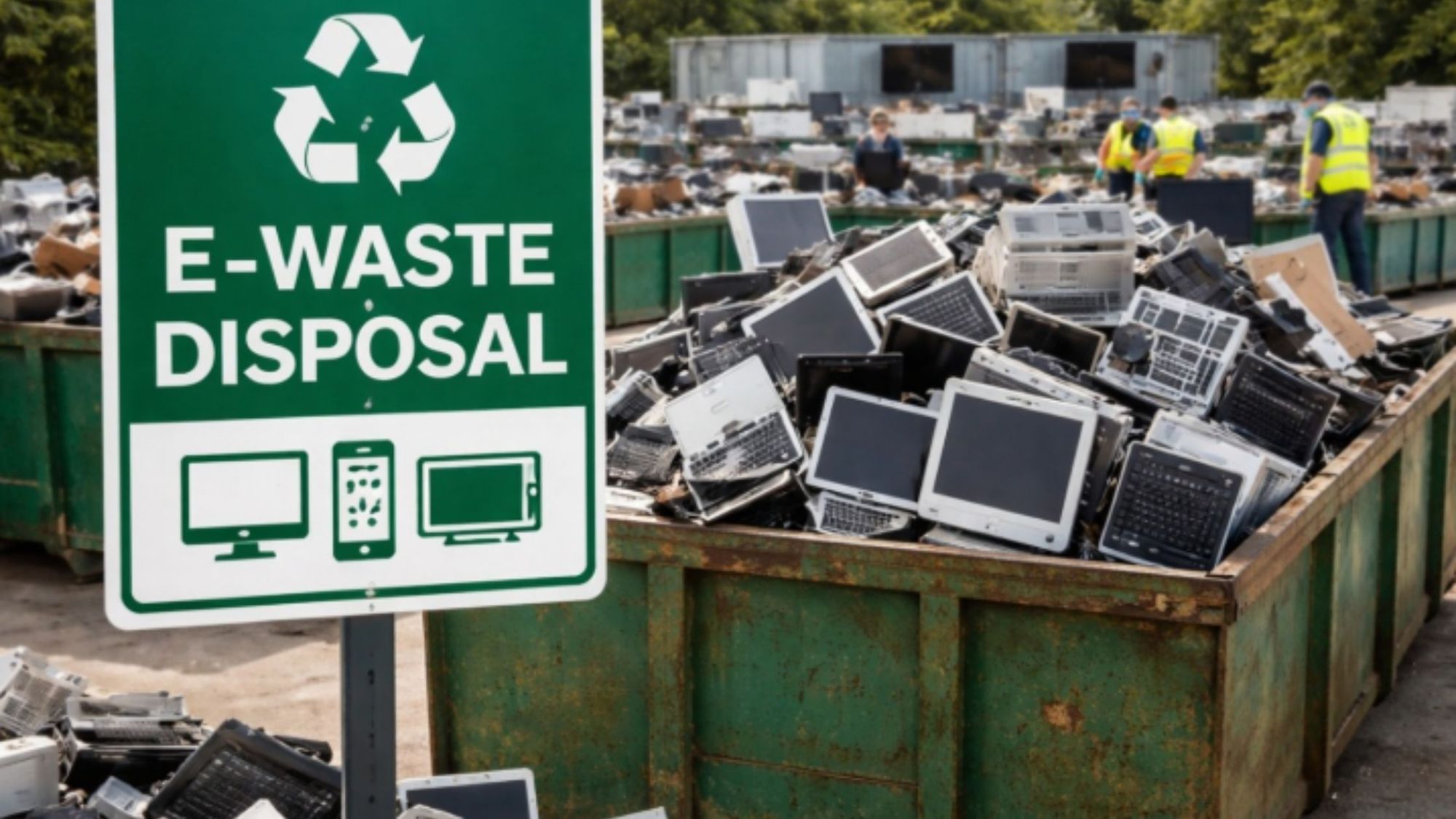
Technology rarely announces when it becomes obsolete. One software update, one faster processor, or one new workplace requirement is often enough to shift perfectly functional devices into retirement. This reality explains why e-waste recycling in Mesa, AZ has become increasingly relevant, not only as an environmental consideration but as an indicator of how communities manage economic growth, digital infrastructure, and valuable resources.
Much of the public conversation still frames electronic waste as a disposal problem. That perspective is becoming outdated. The more meaningful question is how electronic materials continue contributing to regional resilience long after their original purpose ends.
The Discussion Has Been Too Narrow
Many articles emphasize familiar themes such as reducing landfill waste or recovering recyclable metals.
Those benefits are important.
However, they overlook a larger structural shift. Electronics now represent one of the fastest-changing categories of physical assets owned by households, schools, healthcare providers, manufacturers, and businesses throughout Mesa.
Unlike traditional waste streams, electronic equipment reflects ongoing technological investment. Its retirement tells a story about workforce modernization, infrastructure renewal, and changing consumer expectations.
Viewed this way, electronic recycling in Mesa becomes part of a much broader economic cycle.
Mesa's Growth Changes the Equation
Mesa continues attracting advanced manufacturing, aerospace suppliers, healthcare organizations, educational institutions, and technology-focused employers.
Each sector depends heavily on digital equipment.
Growth naturally produces replacement cycles. Computers age. Network infrastructure evolves. Mobile devices reach the limits of software support. Specialized equipment eventually requires modernization.
Consequently, electronic retirement becomes a predictable outcome of economic development rather than an isolated environmental concern.
Communities experiencing sustained growth need equally mature strategies for managing those transitions.
Resource Recovery Supports Supply Stability
Critical minerals have become an increasingly important topic within global manufacturing.
Copper, aluminum, gold, silver, rare earth elements, and numerous specialty materials remain essential for electronics production.
Recovering those materials through responsible recycling contributes to supply resilience while reducing pressure on virgin resource extraction.
Although no single community solves global supply challenges independently, regional participation strengthens the broader circular economy.
That connection receives surprisingly little attention in mainstream discussions.
Consumer Expectations Are Quietly Evolving
Residents increasingly expect transparency regarding the complete lifecycle of products they purchase. Ownership no longer ends at checkout.
Questions surrounding repairability, longevity, recyclability, and responsible retirement influence purchasing decisions more frequently than they did even five years ago. This behavioural shift reflects growing awareness that sustainability includes better resource management rather than simply consuming less.
Communities embracing this mindset often experience stronger participation in recycling initiatives because residents understand the broader purpose.
Looking Ahead Without Overstatement
Artificial intelligence will likely shorten hardware replacement cycles across many industries during the coming decade.
Businesses adopting AI workloads frequently require newer computing platforms capable of handling increased processing demands.
Simultaneously, many consumer devices will become more integrated, energy efficient, and software dependent.
These trends suggest that electronic retirement volumes may continue increasing even as individual devices become more sophisticated. Planning for that future requires viewing electronics not as disposable products but as materials moving through multiple productive lifecycles.
A Stronger Measure of Progress
Communities are often evaluated through visible indicators such as new developments, transportation improvements, and employment growth.
Less visible systems deserve equal attention.
How a city manages retired technology reflects planning capacity, environmental stewardship, and long-term economic thinking.
For Mesa, responsible e-waste recycling in Mesa, AZ through Agape Computer and Electronics Recycling represents more than waste management. It reflects a community adapting thoughtfully to continuous technological change while recognizing that innovation is measured not only by what is built, but also by how yesterday's technology is responsibly integrated into tomorrow's economy.